Launching a business directory sounds wonderfully simple. Put up a website, collect some listings, watch the money roll in, buy a boat.
The website part is, frankly, the easy bit. It's everything after that which separates the directories still running a year later from the ones quietly gathering dust on a forgotten hosting account.
Here are the seven problems nearly every directory owner runs into, along with what actually helps. No boat is promised.
1. The chicken-and-egg problem
This is the classic. Visitors won't come to a directory with no businesses, and businesses won't join a directory with no visitors. Everyone politely waits for someone else to go first, like guests at a party standing around an empty dance floor.
What helps: don't wait for permission. Fill the directory yourself before you launch.
Gather publicly available business information for your niche and upload it in bulk. With a CSV import tool, a fresh site can go from empty to properly stocked in an evening. Then give owners a way to claim their listing. When a business finds itself already on your site, your conversation changes from "please join my empty website" to "your customers can already see you here."
One small warning: stick to accurate, public business details, and check the rules that apply where you operate. Being helpful is the goal. Annoying people isn't.
2. Stale data, the silent killer
A directory with wrong phone numbers is worse than no directory at all. Send someone to a restaurant that closed last spring and they won't blame the restaurant. They'll blame you, usually while standing in the rain.
What helps: make updating easy and give owners a reason to log in. Businesses keep their details fresh when they get something back, such as messages, statistics or bookings. Schedule your own review too. Pick one category a week and check it. It's dull work, but it's the kind of dull that your competitors won't do.
3. Google wants to answer everything itself
Let's be honest about the elephant wearing a search-engine T-shirt. For many simple searches, Google now shows the map, the phone number and the opening hours right on the results page. Add AI-generated answers and some people never click on anything at all.
You can't beat that head-on, so don't try. Google is very good at "what's the phone number of this pizza place?" It's far less good at "which contractors in this area are experienced with old stone houses and have good reviews from people like me?"
What helps: offer what a results page can't. That means specialist filters, detailed profiles, comparisons, guides and local knowledge. If your page says nothing Google doesn't already show, it has no reason to exist. Harsh, but it saves time.
4. Business owners are busy, and they don't trust you yet
Business owners get endless pitches from people promising to double their revenue. Your beautifully written email is competing with a burst pipe, a sick employee and a supplier who's stopped answering the phone.
What helps: lead with evidence, not promises. Show an owner how many people viewed their listing. Better yet, send them an actual enquiry first. Nothing opens a conversation like "somebody tried to contact you through our site."
Then make joining painless. If your listing form looks like a tax return, people will treat it like one and put it off until they die.
5. Getting people to actually pay
Plenty of directories collect listings and then discover that nobody wants to upgrade. Usually that's because the free listing already gives them everything, or because the paid one offers something vague like "premium visibility," a phrase with all the substance of warm fog.
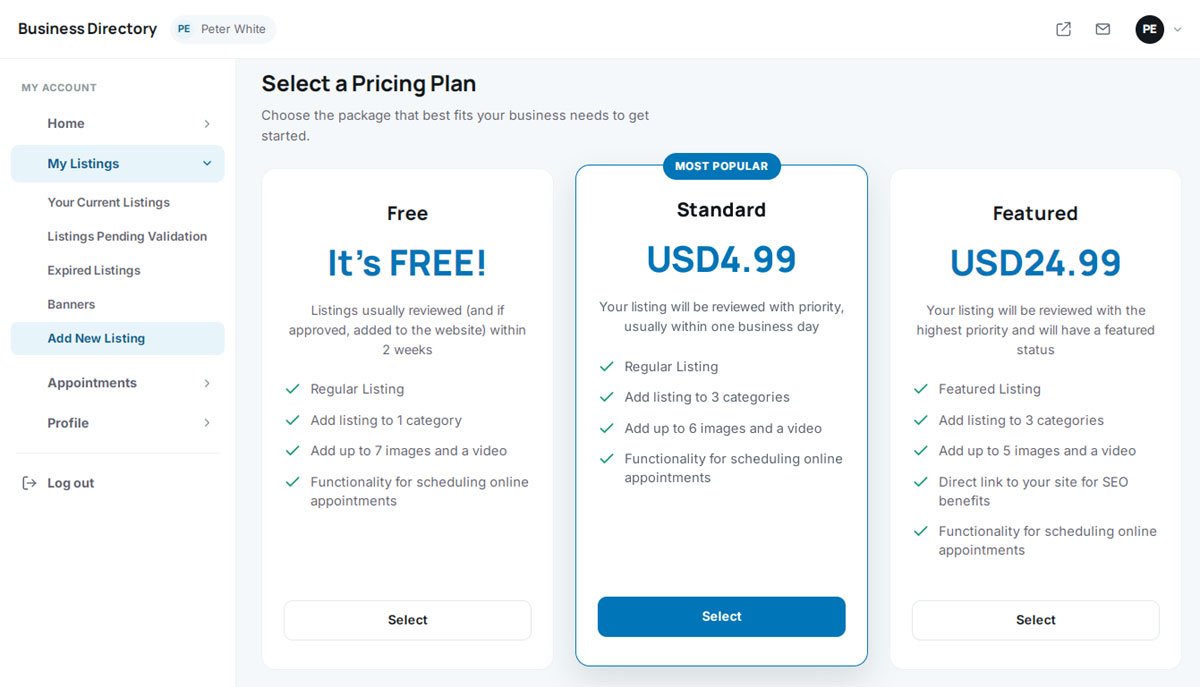
What helps: sell outcomes. Keep a useful free tier, then put the things that bring in customers on the paid plans: top placement, more photos, a website link, online booking or a place in the featured section.
It also pays to have more than one way to earn. Self-service banner ads, for example, let a business spend money with you even when it isn't ready for a membership.
6. Spam, fake reviews and other small joys
The moment your directory gets any traction, you'll meet the internet's enthusiastic underclass: fake listings, keyword-stuffed company names and suspiciously glowing reviews written by someone's cousin.
A few of those can undermine the very thing that makes your directory valuable, which is trust.
What helps: moderate from day one. Review new listings before they go live, keep spam protection on your forms, and verify business claims properly. It takes less effort than cleaning up later, and your future self will send you a thank-you card.
7. Picking software you'll regret
This is the quiet one. In the excitement of starting, it's tempting to grab whatever gets you online fastest and leave the consequences for later. And then later arrives.
The usual regrets come in three flavors:
- Rising monthly fees that get painful just when your directory starts to work
- A pile of plugins that all need updating and sometimes disagree with one another
- No access to the code, so a simple change depends on someone else's roadmap
What helps: before you commit, ask three boring questions. What will this cost me when I have five thousand listings? Who owns my data? Can I change how it works?
We're obviously biased here, since we make PHP Business Directory and it's a one-time purchase with full source code. But the questions are good ones whichever option you choose. If you need something unusual, it's also worth knowing what customization would involve before you need it.
So, is it still worth doing?
Yes, if you go in with your eyes open. Every problem on this list has a practical answer, and most people quit not because the problems are impossible but because they expected a boat by month three.
The directories that work tend to have a few things in common. They pick a clear niche, they fill their pages before asking anyone to visit, they stay accurate and they give businesses a real reason to pay.
None of that is glamorous. All of it can be done by a small team, or even one stubborn person.
If you're still deciding on a direction, our guide to why niche directories win is a good next read.